

In This Blog:
- ➤What Is a Marketing Automation Specialist?
- ➤Day-to-Day Responsibilities
- ➤Does Marketing Automation Really Work?
- ➤Common Tools Used in Australia
- ➤Required Skills & Qualifications
- ➤What to Look for When Hiring
- ➤Who They Work With
- ➤Salary Ranges in Australia
- ➤Automation for Small Businesses
- ➤Choosing the Right Type of Specialist
- ➤Remote Hiring Opportunities
- ➤FAQs
Australia’s digital marketing software market was valued at AUD 2.22 billion in 2024 and is projected to reach AUD 6.25 billion by 2034.
What’s driving that race upward for Australian SMEs?
Marketing automation. It’s growing fast at 14.80% Compound Annual Growth Rate (CAGR).
The questions many business owners are asking:
“What is a marketing automation specialist?”
“Do I need one?”
You already have the platform, whether it’s HubSpot, ActiveCampaign, or Klaviyo. Your subscriptions are paid up. Your team has been using the tools. The platform is running. But nothing inside it has actually been set up.
That’s where a specialist fits in. This article explains what the role is, what they do day-to-day, which type your business needs, and what it costs to bring one on in your team.
What is a marketing automation specialist?
A marketing automation specialist sets up and manages the automated systems inside your marketing platform. They handle email sequences, lead scoring, CRM integration, audience segmentation, and compliance workflows, so your team doesn’t have to do these tasks manually. In Australia, this includes building workflows that meet Spam Act 2003 requirements.
What Is A Marketing Automation Specialist? The Plain-English Answer
Marketing automation specialist Australia definition: This person puts together the technical logic inside your marketing platform. By doing so, the platform carries out campaigns, follows up with leads, organises, sorts, and tracks people in your database, all on its own. Your team won’t have to do any of these by hand anymore.
This specialist is not a developer. Nor are they a digital marketer who takes care of writing content and posting on social media. They’re also not an IT person.
A marketing automation expert connects the dots between these two:
Your strategy decides what you want to do, while your platform is the tool that does it.
They are the “system owner” of your marketing stack. You bought the platform, but it’s they who make it work.
Illustration: Mia runs an 18-person B2B consulting firm in North Sydney. After 18 months, they outgrew Mailchimp and migrated to HubSpot. Her marketing coordinator handles social media posts, blog content, and the monthly newsletter. But nobody in her team has ever built a workflow, set up lead scoring, or connected HubSpot to the sales CRM.
Contacts come in through the website form. That’s it. The sales team follows up manually, sometimes days later, sometimes not at all. At this point, and without a specialist to hook up its features, HubSpot is costing her AU$1,100 a month and is functioning merely as an email tool.
Marketing Automation Specialist Job Description: What Do They Do?
The responsibilities under a marketing automation specialist role Australia hires for vary depending on your business size, platforms in use, and industry or niche. That being said, these are the core tasks that marketing automation consultants typically cover:
#1. Building and managing automated email campaigns
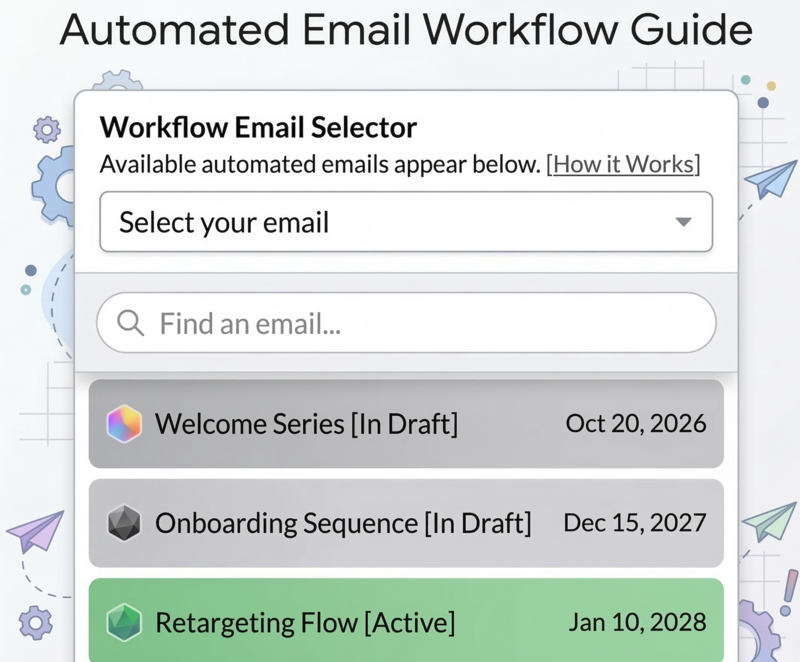
#2. Designing workflows that respond to customer behaviour (clicks, purchases, sign-ups); these are called trigger-based workflows
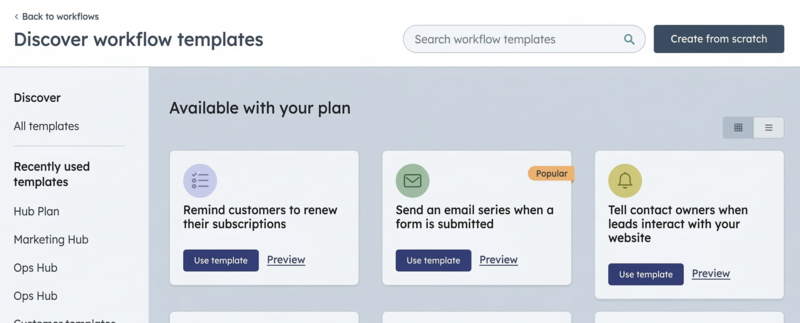
#3. Audience segmentation for targeted, personalised messaging
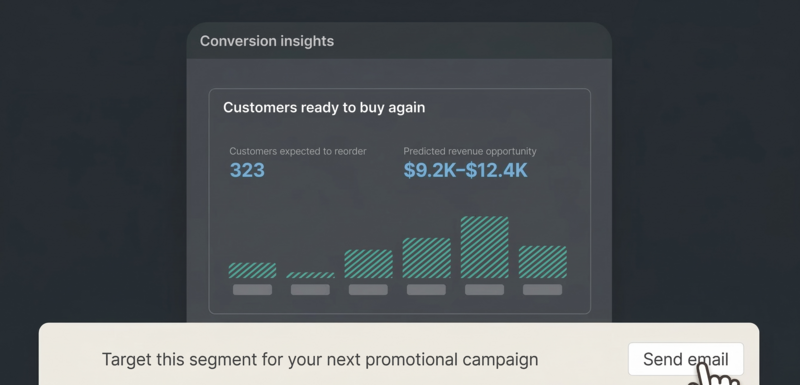
#4. Setting up and maintaining lead scoring and lead nurturing automation
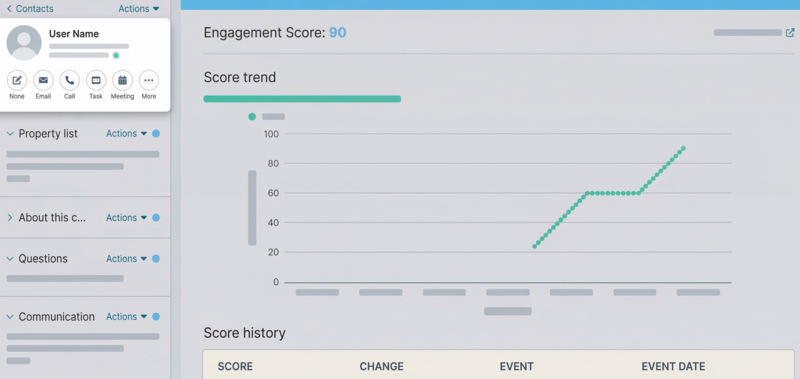
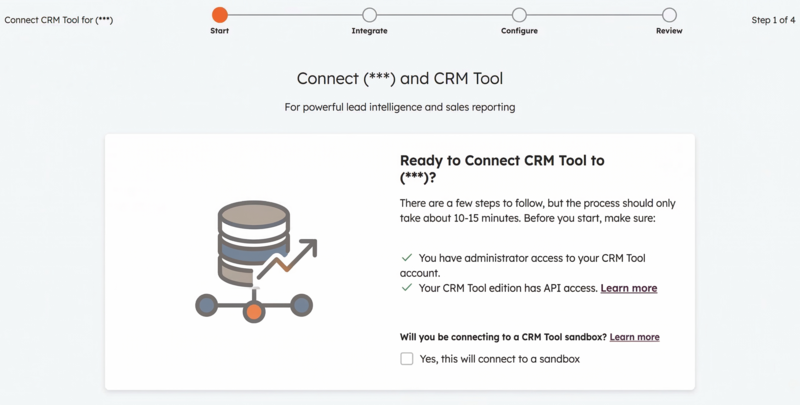
5. Integrating the automation platform with your Customer Relationship Management software (CRM)
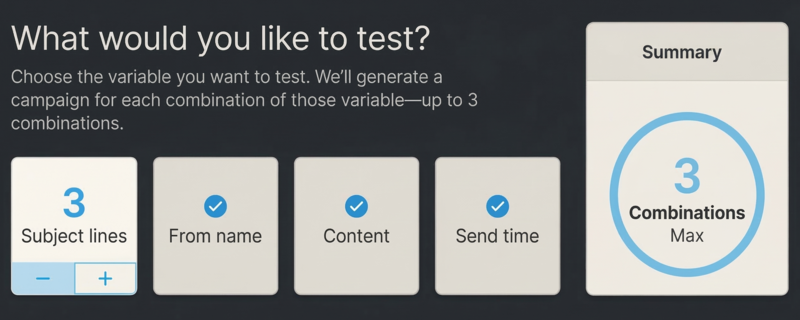
#6. Running A/B tests on emails, subject lines, and landing pages
#7. Mapping customer stages from first touch to conversion, and building drip campaigns that match each stage

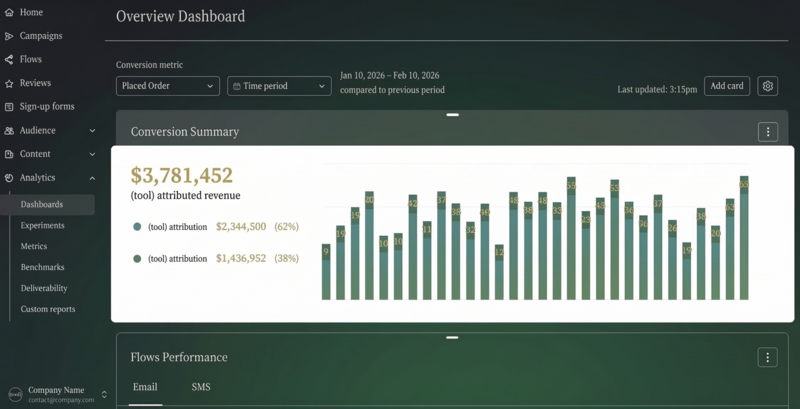
#8. Monitoring campaign performance and pulling reports
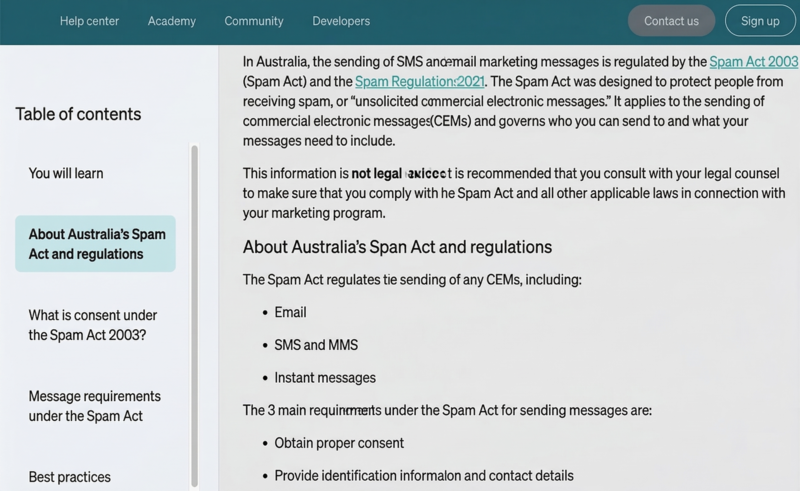
#9. Building compliance into workflows
#10. Troubleshooting technical issues with automated workflows or platforms
Does Marketing Automation Really Work?
It’s reasonable to ask whether the specialist and the technology are worth investing in.
So, does it work?
Yes, it does.
The data tells us that the average return is $5.44 for every $1 spent on marketing automation. AU businesses aren’t waiting long to see it, with 76% reporting a positive ROI within the first year.
In Australia, B2B businesses using automation report an average ROI of 300%, with adoption jumping from 52% in 2024 to 68% in 2026.
The clearest proof point is in lead generation. Businesses using automation generate up to 80% more leads. Conversion rates run at 77% higher than those still relying on manual setups.
Takeaway: There’s evidence that the technology works. It works best only when a specialist is operating it day by day.
Marketing Automation Tools: What Do Specialists Use in Australia?
The platforms your business uses define the type of specialist you should work with. These are the tool categories employed in AU businesses today:
Enterprise Platforms
Salesforce Marketing Cloud, Adobe Marketo Engage, and Oracle Eloqua are standard at the enterprise level. Large AU companies are headed towards more complex lifecycle-based marketing.
Note: Commonwealth Bank expanded its Salesforce Marketing Cloud deployment in February 2025.
These platforms handle complex multi-touch campaigns, advanced lead scoring models, and deep CRM sync.
Your potential hire should know how to build complex campaign structures, set up rules that automatically sort and filter contacts, and track which marketing activities are driving revenue.
Mid-Market and SMB Platforms
HubSpot opened a Sydney data centre in February 2025. This allowed Australian businesses to keep customer data onshore. At present, HubSpot Marketing Hub and ActiveCampaign dominate the AU SMB market.
Candidates should understand HubSpot’s workflow branching and reporting dashboards.
E-Commerce Platforms
Klaviyo is taking the lead in Australia’s large Direct-to-Consumer (DTC) and Shopify-native market. They reported that:
80% of Australian marketers plan to increase their automation budgets.
The platform drives revenue for DTC brands through abandoned cart flows, post-purchase sequences, and predictive segments.
No-Code and Integration Tools
Even in non-technical roles, familiarity with Zapier, Make (Integromat), and n8n are a plus, particularly for teams connecting SaaS tools and automating internal processes.
n8n suits teams that want automation running on their own servers. Teams that don’t want a third-party cloud.
CRM and Data Platforms
External platforms are “outside” your marketing tools. Working knowledge of them tells you that the candidate understands how the data flows throughout your organisation. Take note of hands-on experience or familiarity with Salesforce CRM, HubSpot CRM, Zoho, and Customer Data Platforms (CDPs) like Segment.
More Australian businesses (from SMEs to large corporations) are focusing on owning and managing their customer data directly.
CDP experience is becoming increasingly valuable.
Marketing Automation Tools Comparison Table
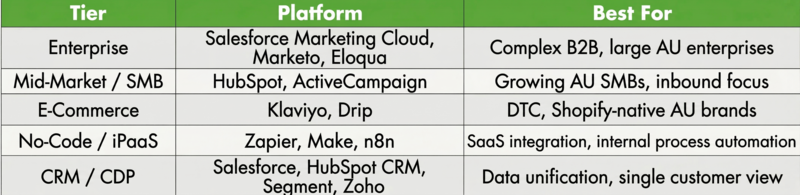
The ideal marketing automation consultant doesn’t need to be a master of all tiers. They simply need to be experts in one, as skill transfer to the other tools is generally easy. How quickly they do so depends on how similar the platforms are and the individual’s technical depth.
What Skills Are Needed For Marketing Automation?
These are the technical and soft marketing automation skills required as you look for in a candidate:
Technical skills
A capable specialist is versed in both technical fluency and practical application. On the technical side, look for:
- Proficiency with AU-relevant marketing automation platforms (see above)
- CRM integration and data management
- Basic HTML/CSS for email template customisation
- Workflow logic and customer journey mapping
- Data analysis and reporting
- Understanding of lead scoring and funnel stages
Note: Any specialist managing contact data and sending commercial messages on behalf of an AU business needs a working knowledge of both the Spam Act 2003 and Privacy Act 1988.
Soft skills
To strong candidates, campaign metrics are one thing. They should be able to read data and connect it to business outcomes. They document what they build, catch errors before they pile up, and explain technical results in plain language to sales and leadership teams.
A specialist runs multiple workflows, platforms, and campaigns at once. This means working with and across teams. Project management is part of the job.
What to Look for When Hiring a Marketing Automation Specialist in Australia
The misconception is that platform “familiarity” is the standard. Or that a marketing automation specialist certification Australia finds popular is a factor. But what makes the ideal candidate stand out from the rest is an understanding of business logic: why a workflow is built the way it is and what business outcome it’s supposed to improve.
They also need a working knowledge of AU compliance obligations that apply to campaigns they execute.
Screening questions for your evaluation:
- Platform match: Do they have proven, hands-on experience with the specific platform your business runs on or is migrating toward?
- AU compliance: Have they read through and understood the Spam Act 2003 requirements? How have they incorporated them into their previous workflows?
- CRM fluency: Do they understand how your marketing platform and CRM connect, and how to keep data accurate across both?
- Analytical thinking: Can they look at campaign performance and tell you what to change and why?
- Cross-team communication: Can they translate workflow logic into plain language for the teams they’ll be working with?
- Proven output: Ask about workflows they’ve built, sequences they’ve optimised, and improvements in lead conversion after they took over past automation projects.
Look for a specialist who has built, tested, and maintained live systems in business environments.
Who Does a Marketing Automation Specialist Work With?
The role cuts across nearly every function that affects lead movement and campaign performance.
Day to day, a specialist works with content writers and designers on campaign assets, and the sales team on when to pass a lead to sales and how leads get scored and ranked.
They work with analytics or data teams on attribution and reporting, alongside IT or developers for custom technical work on platform integrations.
How Much Do Marketing Automation Specialists Make in Australia?
Just as relevant as understanding the role: How much does marketing automation cost, and how much should you spend on a marketing automation strategist?
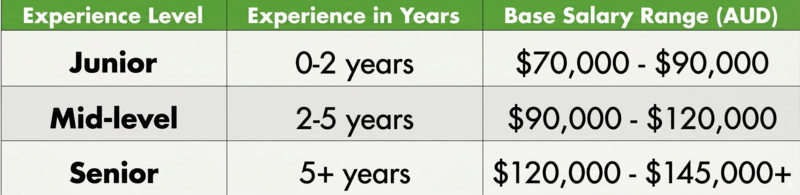
2024-2025 data from Glassdoor AU, PayScale AU, and Brightbox Consulting tells us that the most common hire for AU SMBs, mid-level specialists, earns between AU$90,000 and AU$120,000 in base salary.
Marketing Automation Salary Australia: Comparison Table
Where a hire lands within that band comes down to:
- The platform or platforms they specialise in
- Their depth of CRM and analytics experience
- The industry your business operates in
Expect specialists with advanced skills in AI-driven marketing automation campaign management and CRM integration to attract higher pay.
Salesforce Marketing Cloud and Marketo specialists command a premium in Australia, especially because the qualified local talent pool for these platforms is limited.
Is Marketing Automation Right for Australian Small Businesses?
Is your team manually sending follow-up emails? Are they still copying campaign sequences by hand? Are they missing follow-ups and, in turn, losing leads along the customer journey?
The bigger your marketing operation gets, the harder it is to keep everything running without automated systems and a marketing automation specialist to build and maintain them.
The AU market says it all: marketing automation is the fastest-growing segment in Australia’s digital marketing software landscape. Australian SMEs account for 58.2% of the country’s digital marketing software spend.
The tools are there, and business owners have bought in.
The missing link?
The specialist.
You’re already convinced the technology is worth it. You just haven’t been able to tap into what it can really do. You need a qualified specialist to build the systems, maintain them, and make sure every campaign, workflow, and lead handoff is performing as intended.
Types of Marketing Automation Specialist: What Does Your Business Need?
Hiring the right specialist is the key to getting the actual results your business needs from the tools you’re already paying for.
How to do it hinges on what problem you’re trying to solve and which platforms your business runs on. Answer these, and you narrow down the types of specialists to the one you need. Briefly put, the main types of specialists are:
- The email marketing automation specialist who builds and optimises your sequences
- The lead nurturing automation specialist and customer journey automation specialists who look at customer behaviour and data, and engage where they are in the funnel
- The CRM marketing automation specialist who manages your pipeline and contact data
- The e-commerce specialist who works with purchase behaviour and platforms like Klaviyo
- The AI specialist who activates the smart features already sitting inside your existing tools
- The compliance-aware specialist who builds Spam Act 2003 and Privacy Act 1988 requirements into every workflow
- The senior specialist brought in to take over or rebuild an existing programme
For a full breakdown of each type, what they do, and which one fits your business, read our complete guide: Marketing Automation Specialists for Australian SMEs.
Since each type solves a different problem, know which one you need before you start looking.
Finding Your Automation Specialist Without the Full-Time AU Overhead
Remote Staff has spent 18 years placing technical marketing professionals with Australian businesses. Our goal remains the same: to assess every candidate for demonstrated platform experience.
We take care of the screening, and when you’re ready to hire, the onboarding, HR support, and payroll, too. We tailor the engagement model to where you’re at, whether that’s full-time or part-time.
All of the responsibilities on the administrative side sit on our shoulders, because they shouldn’t have to be on yours.
Australian SMEs are shifting from hiring locally to hiring offshore because they get the same experience, with a cost difference that’s meaningfully lower.
How?
A lower cost of living in our talent markets.
FAQs
What does a marketing automation specialist do in Australia?
They build and manage the automated workflows inside your marketing platform. These include email sequences, lead scoring, CRM integration, audience segmentation, and compliance-built workflows under the Spam Act 2003. The goal is a marketing system that runs without constant manual input from your team.
Can my existing marketing team handle automation, or do I need a dedicated specialist?
It depends on what your team was hired to do. Most digital marketers focus on content, channels, and creative. But for technical workflow configuration and CRM integration, a dedicated automation specialist is the practical answer.
How much does a marketing automation specialist cost in Australia?
Mid-level specialists (two to five years of experience) earn AU$90,000 to AU$120,000 in base salary. Superannuation is at 12%, along with other employment on-costs. The first-year figure sits between AU$120,000 and AU$140,000 for a local hire. Remote engagement through Remote Staff brings this cost down significantly.
What platforms do marketing automation specialists use in Australia?
HubSpot for most AU SMBs, Klaviyo for DTC and e-commerce, Salesforce Marketing Cloud and Marketo for enterprise, and Zapier or Make for integration work between platforms.
Focus On the Platforms and the Problems, Then Choose Your Specialist
Australian SMEs have been buying marketing automation platforms over the past five years. The trajectory will see even higher numbers over the next decade, yet most have not invested in the person who uses them correctly.
Marketing automation specialists are the variable most AU businesses gloss over.
Match your business to the right specialist. Call us today or request a callback.

Vaune Everis Cura has always been a writer in the truest sense, drawn to the art both as a personal creative pursuit and as a profession. Her experience penning content across digital marketing spaces and collaborating with business owners and market shapers has broadened her craft to include strategic direction and SEO insight. Having spent years with the InterContinental Hotels Group before stepping boldly into freelancing, she understands that at the centre of it all are genuine, meaningful brand–customer relationships built on purposeful, human content.